To mitigate the risk of reduced performance levels in your vehicle, regular cleaning of fuel delivery systems is essential. Contaminants can accumulate over time, leading to a significant loss in acceleration and responsiveness. A clear maintenance schedule can help avoid this issue.
When residues clog the components responsible for mixing essential fluids, it creates an unequal mix, hindering combustion. This misfire can manifest as rough idling, reduced torque, and higher emissions, indicating that performance is compromised. Regular inspections can identify early signs of malfunction, saving both time and money.
Maintaining optimal operation of your vehicle’s fuel delivery system is crucial for sustained efficiency. The earlier you address any sign of impairment, the less likely you are to experience a major breakdown due to these preventable factors.
Understanding the Symptoms of Fuel Injector Contamination
Immediate attention to any of the following signals can prevent further performance issues:
- Unexpected decrease in acceleration response.
- Unstable idle, with fluctuations in engine speed.
- Noticeable misfires during operation, especially under load.
- Increased emissions, likely due to incomplete combustion.
- Fuel consumption spikes, indicating inefficiency in delivery.
Evaluate the behavior of your vehicle if you observe any combination of these symptoms. Consider a thorough inspection of the injection system to address potential blockages or contamination. Regular maintenance helps mitigate risks associated with performance loss.
Ways to Diagnose Power Loss Due to Fuel Injector Issues
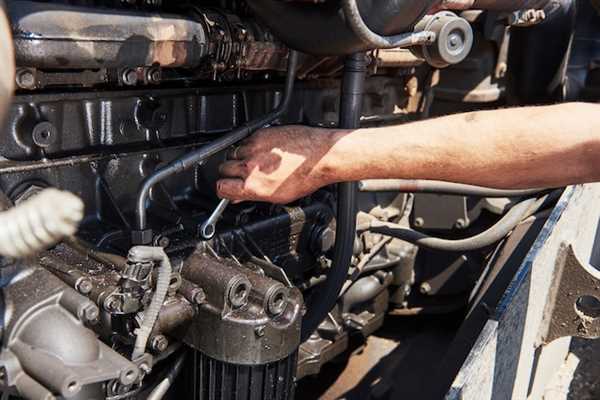
Begin with a visual inspection. Look for any signs of leakage around the fuel delivery system. A stain or residue around the seals can indicate a failure that may cause decreased muscle in the vehicle.
Utilize an OBD-II scanner to detect fault codes. Codes related to fuel supply or combustion efficiency can point to malfunctioning components that impact performance.
Monitor fuel consumption. An unexpected increase in fuel usage may signal that the injectors are not delivering the appropriate amount of gasoline, leading to diminished acceleration.
Conduct a balance test. This involves running the engine at a specific RPM while observing each injector’s performance. Inconsistent pressure readings can pinpoint which sprayer might be underperforming.
Perform a pressure test on the fuel rail. This will verify if the system is operating within the required specifications. Abnormal readings can indicate a compromised injector.
Listen for unusual sounds. A clicking or irregular noise from the injectors during operation may suggest internal malfunction, affecting the delivery rate.
Evaluate engine responsiveness. If there’s a lag in acceleration or rough idling, it may indicate that the delivery system is not maintaining optimal fuel flow.
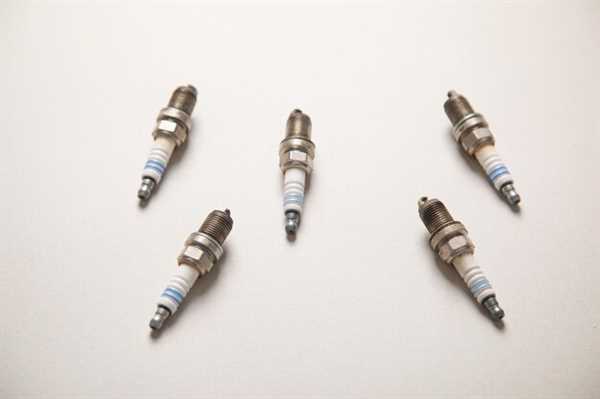
Inspect the spark plugs. Fouling can indicate an issue with fuel atomization. If the plugs are excessively blackened or wet, it suggests improper combustion related to the spray pattern.
Consider professional cleaning or replacement if the diagnostics reveal persistent issues. Upgrading to high-performance sprayers can enhance the vehicle’s responsiveness significantly.
Regular maintenance is key. Establish a check-up routine to catch any irregularities before they escalate into major power losses.
Maintenance Tips to Keep Fuel Injectors Clean and Optimize Engine Performance
Use high-quality gasoline with a detergent additive. This keeps the nozzle surfaces clean, reducing residue build-up that leads to performance drops.
Consider periodic cleaning with a specialized solution. Add this cleaner to the fuel tank according to the manufacturer’s instructions to help maintain optimal atomization and combustion efficiency.
Regularly inspect the fuel delivery system for leaks or blockages, as any disruption can lead to significant performance loss. Timely resolution prevents dirt accumulation.
Monitor and replace the fuel filter at recommended intervals. A clogged filter restricts flow, negatively impacting combustion quality and output.
Keep an eye on overall vehicle performance metrics, such as acceleration and fuel consumption. Noticing a decrease may indicate fuel system maintenance is required.
Perform regular engine tune-ups. Ensuring all components function correctly helps maintain combustion efficiency, positively affecting throttle response.
Integrate a data logger or diagnostic tool. This device can help monitor injector performance in real-time, allowing early detection of efficiency issues.
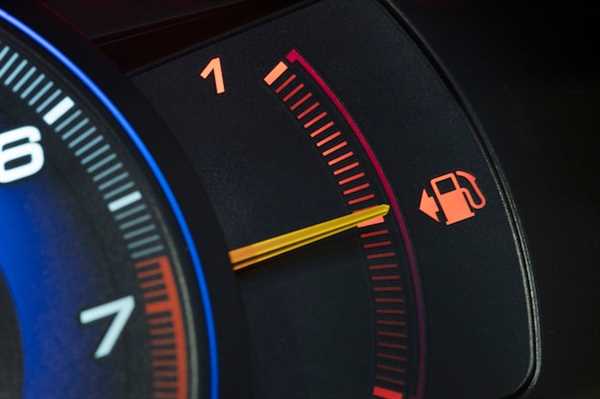
Avoid running the tank too low. This can introduce sediment from the bottom of the tank into the system, leading to unwanted blockages and reduced combustion performance.
Consider using synthetic oil, as it can enhance the overall performance of the vehicle, promoting a smoother combustion process and better efficiency.
Regular driving habits can affect performance. Short trips may not allow the vehicle to reach optimal operating temperature, leading to incomplete combustion and residue build-up. Longer drives can help maintain cleaner internals.