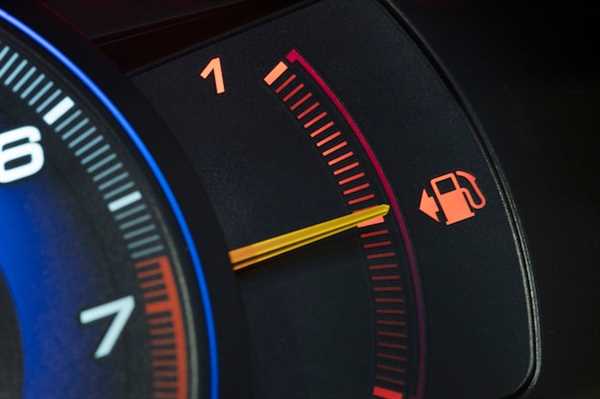
Look for irregular dashboard warnings that appear unexpectedly; these can indicate malfunctioning equipment within the automobile’s systems. Pay attention to changes in driving performance, such as erratic acceleration or braking responses, as these may signal sensor complications.
Monitor the fuel efficiency; a sudden drop could suggest issues with critical components that rely on accurate readings. If unfamiliar noises or vibrations occur during operation, this could reflect problems stemming from miscommunication between various systems.
Additionally, if the in-vehicle navigation or assistance features display incorrect information, it often points to the potential failure of underlying technologies. Lastly, check for physical damage or dirt accumulation on exposed parts, which can hinder proper functionality and affect overall reliability.
Unusual Warning Lights on Your Dashboard

Check the dashboard immediately if you notice any unexpected warning indicators. These notifications indicate potential issues requiring attention.
- Check Engine Light: A common alert, which could be due to a variety of issues ranging from minor to major, such as an oxygen sensor malfunction or a more serious engine problem.
- ABS Light: Signals a problem with the anti-lock braking system, possibly linked to wheel speed sensors or other components.
- Battery Warning: Illuminates when there are issues with the electrical system, which could involve the battery or alternator.
- Oil Pressure Light: Indicates low oil pressure, which might stem from oil circulation problems or level issues.
- Temperature Warning: Activates when the engine overheats; this could relate to a faulty temperature sensor or coolant levels.
Pay attention to these indicators. Continuous driving with these warnings can lead to significant damage or safety issues. Consider a professional evaluation to identify specific malfunctions and resolve them effectively.
Decreased Performance in Vehicle Systems
A significant decline in vehicle performance can indicate underlying issues with various monitoring devices in the system. Watch for symptoms such as stalling, sluggish acceleration, or erratic engine behavior. These may point to problems in critical components responsible for data measurement and regulation.
If fuel efficiency drops noticeably, it could signal an issue with the systems that govern air-fuel mixture ratios. Regularly check dashboard alerts that indicate abnormalities, as they may reveal malfunctions in real-time feedback mechanisms.
Pay attention to braking responsiveness; reduced efficacy may suggest faulty monitoring devices involved in brake pressure or anti-lock braking functionalities. Similarly, if traction control engages unexpectedly, it can hint at inaccuracies in the systems that assess wheel slip.
Listen for unusual sounds or irregular vibrations while driving. These could stem from improper readings affecting engine timing or transmission performance. Addressing these issues promptly can prevent further complications and costly repairs.
Finally, frequent visits to the repair shop for undiagnosed problems may indicate a persistent failure in the performance monitoring systems. Regular diagnostic checks can reveal hidden faults and ensure that all components operate as intended.
Inconsistent Readings from Sensor Displays
Experiencing fluctuating values on display screens indicates potential issues. Frequent variations in readings can reflect inaccuracies, impacting the safe operation of the vehicle.
If the temperature gauge shows irregular highs and lows without any change in engine conditions, this can hint at a malfunctioning component. Pay special attention to warning lights illuminating intermittently, as they may signify deeper electrical or connectivity problems.
Another common scenario involves speedometer discrepancies. If the speed displayed does not match the actual movement, this often points to underlying failures in the system. Regular calibration checks can mitigate these concerns.
For fuel efficiency indicators, sudden drops or spikes can signal problems. Monitoring fuel economy over time allows for identifying unusual patterns that may require professional inspection.
Periodic diagnostics can help pinpoint specific issues, ensuring accurate readings and reliable performance. If inconsistency persists, seeking assistance from a qualified mechanic is advised to prevent further complications.