Maintaining sufficient control over stopping capabilities is imperative for safe driving. Inspecting suspension components regularly, especially those that absorb shocks, is critical. An increase in distance required to halt effectively can often signal the need for immediate attention and replacement of these parts.
Research indicates that compromised shock absorbers can lead to inconsistent tire contact with the road, resulting in reduced traction during emergency stops. This not only affects the ability to slow down quickly but also significantly amplifies stopping distances, with some studies noting an increase of up to 20%. Regular evaluation of these systems can help prevent such issues, ensuring that your vehicle responds promptly when needed.
Subpar dampers can also heighten the risk of brake fade, especially under repetitive stress. Understanding how these systems interact means that drivers can better anticipate maintenance needs. A proactive approach includes monitoring how the vehicle handles road imperfections and adjusting accordingly by seeking repairs when necessary.
How Damaged Shocks Lead to Increased Stopping Distances

Replace faulty dampers immediately to reduce stopping distances. Damaged dampers can cause excessive body movement, resulting in reduced tire contact with the roadway. This leads to diminished traction, making it harder to achieve maximum grip during a stop.
When dampers fail, weight transfer during braking becomes erratic. This instability can cause a longer stopping distance, as the tires may lose friction with the ground. A vehicle with malfunctioning dampers might experience increased nose-dive, shifting the weight disproportionately to the front tires and degrading their ability to maintain grip.
Drivers should routinely inspect the condition of their dampers. Signs of failure include visible leaks, unusual noises over bumps, and poor handling characteristics. It’s recommended to test the vehicle’s braking response under varied conditions to identify any noticeable increases in stopping distance.
Regular maintenance of suspension components is essential. This includes replacing worn dampers at recommended intervals or immediately upon detection of failure signs. Maintaining optimal suspension functionality improves overall handling and assists in maintaining safer stopping distances.
The Relationship Between Shock Absorbers and Brake Line Stability
Regular maintenance of shock systems directly influences brake line reliability. If the damping elements fail to function optimally, it can lead to instability, resulting in compromised brake response. Insufficient shock absorption can cause excessive body movement during stopping, leading to increased wear on brake components.
When shocks no longer provide adequate damping, the associated forces transmit irregularly through the chassis. This can affect the alignment and stability of the brake lines, potentially causing fluctuations in hydraulic pressure. Maintaining the integrity of these lines is critical; any degradation can result in a loss of brake effectiveness.
Inspecting the shock units for leaks or physical damage should be standard practice. Ensuring that the shock mounts are securely fastened will minimize unwanted vibrations, contributing to a more stable brake line environment. Periodic checks of brake fluid levels and quality should accompany shock inspections, as compromised fluid can further hinder braking efficiency.
Upgrading to higher-grade damping systems may provide superior control. Improved shock technology offers enhanced stability during emergency stops, reducing the likelihood of brake line disturbances. Balancing the system with appropriate tires and alignment checks can maximize the benefits of effective shock absorption, ensuring optimal braking capabilities under diverse driving conditions.
Identifying Warning Signs of Worn Shocks Before Brake Failure

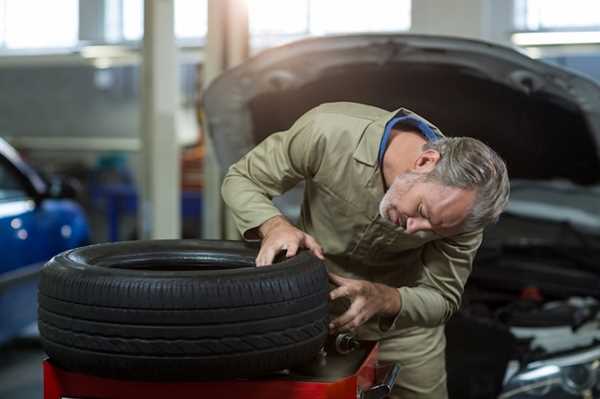
Regularly check for uneven tire wear, as it can indicate issues with suspension components. If one side shows more wear than the other, inspect the struts and related parts.
Listen for unusual noises while driving, such as clunks or rattles that occur over bumps. These sounds may signify that the suspension system is deteriorating.
Pay attention to how the vehicle handles during emergency stops. If it sways or dips excessively, this may represent a decline in damping capability, impacting stability.
Monitor ride comfort. If the ride becomes excessively bouncy or if you feel every little bump, it’s time to evaluate the strut condition.
Check for fluid leaks around strut assemblies. Hydraulic fluid loss can lead to diminished performance and compromised safety.
Experiencing increased braking distances can also signal an underlying issue with suspension components, affecting the overall stopping ability.
Ensure to assess alignment regularly. Misalignment can exacerbate wear on suspension elements, impacting vehicle handling and safety.