To maintain an enjoyable driving experience, pay close attention to the performance of your vehicle’s shock-absorbing components. A noticeable decline often indicates trouble that could require your immediate attention. Unexplained vibrations or a bumpy feel during travel can reveal underlying concerns that impact your enjoyment on the road.
Examine how your vehicle responds over uneven surfaces. If you notice a sudden increase in jarring sensations or a harsh bumpiness, it’s wise to consult a professional. The presence of excessive noise during traversing may also hint at diminishing capabilities of key components, thus diminishing travel satisfaction.
Regular inspections play a critical role in ensuring you achieve a balanced experience during commutes. It’s recommended to check for fluid leaks and analyze the condition of seals and bushings. Keeping an eye on these specific areas can help you address issues before they escalate and result in significant discomfort.
Identifying Symptoms of Suspension System Damage
Check for uneven tire wear patterns; this can indicate issues in the component responsible for shock absorption. Inspect for fluid leaks around shock absorbers or struts, as this suggests a loss of hydraulic fluid affecting performance. Listen for unusual noises like clunking or rattling, which may point to failing mounts or bushings. Pay attention to increased vibrations felt through the chassis; this could signify a malfunctioning element impacting stability. Observe any changes in handling, such as swaying or rolling during turns, indicating possible degradation in supporting elements. Lastly, monitor the vehicle’s ride height; noticeable sagging can be a clear indicator of compromised structural integrity.
Understanding the Correlation Between Suspension and Ride Quality

Regular inspections of your vehicle’s suspension components are necessary to maintain optimal driving experiences. Monitor for signs of deterioration in the components such as bushings, shock absorbers, and springs. If you notice uneven tire wear or excessive vibration, it may indicate that these parts are compromised.
Incorporate periodic checks of alignment and balancing into your maintenance routine. Misalignment can exacerbate existing deficiencies in the system and lead to a bumpy experience. Adjustments can significantly improve stability and handling characteristics.
Select quality replacement parts when needed. Genuine components or high-quality aftermarket options can restore functionality and enhance the stability of the vehicle. Investing in better components can prevent future issues and improve driving dynamics.
Additionally, ensure that the fluid levels in hydraulic components are at their recommended levels. Low fluid levels can compromise performance and lead to an uncomfortable experience. Check for leaks to avoid further degradation of the system.
Consider the age and mileage of your vehicle. Older systems may require more attention, as wear and tear can gradually affect performance. Being proactive about maintenance based on this can help you avoid sudden failures and ensure a smoother journey.
Practical Steps to Address Suspension Issues
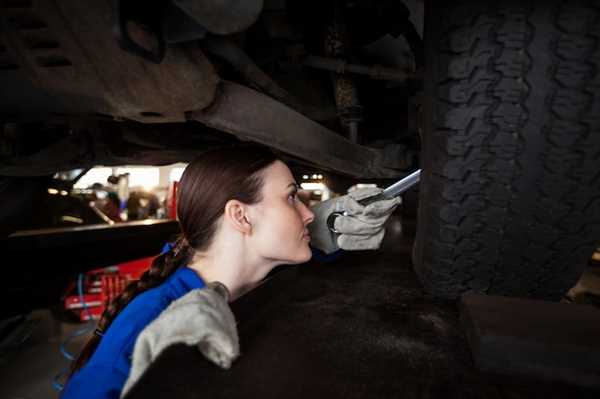
Regularly inspect components such as shock absorbers and springs for any leakage or damage. Replace any parts that show signs of deterioration to maintain a smooth experience.
Check tire pressure and tread depth as improper tire conditions can exacerbate issues with the system. Rotate tires periodically to ensure even wear and optimal traction.
Monitor handling behavior. If the vehicle sways excessively or feels unstable on turns, consider having the alignment and balance checked. Proper alignment not only enhances stability but also increases lifespan and ensures safe operation.
Listen for unusual noises like clunks or rattles when driving over bumps. These can indicate a problem within the system and merit immediate investigation by a qualified technician.
Consider upgrading components to high-performance alternatives if you frequently navigate rough terrains. Enhanced parts can significantly improve stability and responsiveness.
Maintain proper load management. Overloading can severely affect the system’s functionality, leading to reduced performance and comfort while driving.
Keep an eye on warning lights related to the vehicle’s handling. Addressing these alerts promptly can prevent further complications and increase safety on the road.
Engage in routine maintenance, including lubrication of joints. Proper maintenance extends the lifespan of components, supporting a smoother driving experience.
Choose quality replacement parts to ensure longevity. Investing in reputable brands can lead to better performance and reduce the frequency of repairs.
If experiencing persistent discomfort, consult with a specialist who can provide a thorough diagnosis and proactive solutions tailored to your vehicle’s needs.