Pay immediate attention to your vehicle’s indicator signals. These visual notifications are designed to alert you about potential issues that could escalate into major problems if overlooked. Regular maintenance and prompt action can save you time and money in the long run.
For instance, if an oil pressure signal appears, it may indicate low oil levels or a failing pump. Ignoring this could result in engine wear or complete failure, necessitating significant financial outlay. Routine checks and ensuring fluid levels are optimal can prevent such scenarios.
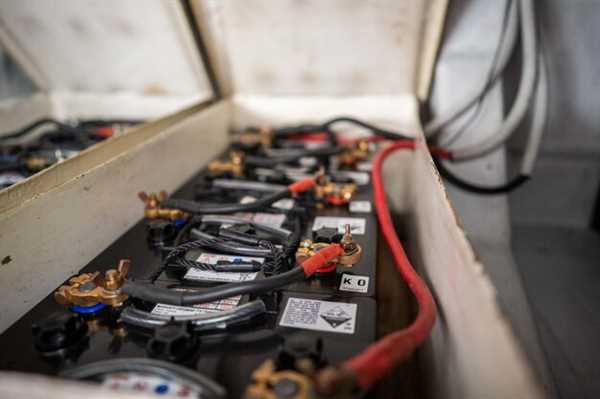
Another common notification involves battery issues. If the warning emerges, it’s critical to test the battery and charging system. A malfunctioning battery could leave you stranded and, if neglected, can lead to extensive alternative power system repairs.
Ignoring these indicators often results in cascading problems that affect multiple components. Prioritize addressing notifications to maintain your vehicle’s performance and longevity. Being proactive is key to avoiding unexpected financial burdens. Regular inspections and staying vigilant about alerts will ultimately enhance your driving experience.
Common Warning Lights and Their Implications

Pay immediate attention to the check engine indicator. It signifies potential issues in the engine or emissions system, ranging from minor sensor problems to serious engine malfunctions. Regular diagnostics are necessary to avoid extensive engine failures.
The oil pressure alert indicates insufficient oil flow. Ignoring this signal risks severe engine damage due to lubrication failure. Routine oil changes and monitoring oil levels help maintain engine health.
The battery/charging system icon suggests battery failure or charging issues. A malfunctioning alternator or a dying battery can result in power loss. Vehicle testing for electrical system efficiency is essential for uninterrupted performance.
Brake system alert means potential brake failure or low brake fluid levels. This condition can compromise safety. Immediate inspection and service are vital to ensure brake effectiveness.
The tire pressure monitor light indicates that one or more tires may be under-inflated. Low tire pressure increases the risk of blowouts and affects handling. Regular tire checks and inflation can prevent hazardous situations.
Anti-lock braking system (ABS) warning signifies potential issues in the braking system. Addressing this light promptly ensures safe stopping capabilities are maintained.
Transmission fluid temperature alert warns of overheating in the transmission. Continued operation under this condition can cause transmission damage. Regular fluid inspections help maintain transmission longevity.
Understanding these signals leads to informed decisions that preserve vehicle integrity and minimize repair expenses.
How Neglecting Warning Indicators Affects Vehicle Longevity

Address potential issues as soon as they arise to extend the life of your vehicle. Maintenance actions are integral to preventing serious damage.
Key areas to monitor include:
- Engine performance: Address engine-related notifications immediately to avoid catastrophic failures and enhance durability.
- Fluid levels: Regular checks on oil and coolant levels prevent overheating and lubrication failures.
- Tire pressure: Keeping an eye on tire inflation helps maintain proper handling and prevent uneven wear.
It’s smart to invest in routine inspections to catch problems early. Each overlooked indicator can compound issues, leading to extensive interventions that significantly burden your finances.
Specific steps include:
- Schedule maintenance every 5,000 miles or as recommended by manufacturers.
- Flush fluids as suggested, ensuring systems operate as intended.
- Replace worn-out components without delay to keep the vehicle running smoothly.
Addressing these alerts contributes to a smoother driving experience and minimizes the potential for unexpected breakdowns that otherwise could result in considerable expenditures. Prioritize your vehicle’s signaling system for better longevity.
Steps to Take When a Warning Light Activates
Check your vehicle’s manual. This will provide specific information regarding the activated indicator and its implications for your car’s performance.
Assess the situation immediately. If you notice an alert while driving, pull over to a safe location without delay. Avoid driving further until assessing the issue.
Inspect the dashboard for additional indicators. Some symbols may accompany the main alert, giving further insight into the potential problem.
Perform a quick visual inspection of your vehicle. Look for any obvious issues, such as leaking fluids or unusual sounds, that could signify a serious malfunction.
If equipped, utilize a diagnostic tool to scan for error codes. This can pinpoint specific concerns and help in troubleshooting the source of the issue.
Consult with a qualified mechanic if the problem is beyond your expertise or if the symptoms persist. Expert advice ensures accurate identification and rectification of the underlying issue.
Keep a record of all incidents and repairs. Documenting alerts and resolutions will assist in identifying patterns and improving overall vehicle maintenance.