
Addressing discrepancies in tire surfaces should be a priority for any vehicle owner. Markings that differ across the tread can be a clear sign that your wheels are not positioned correctly. This misalignment can lead to various complications, impacting both handling and longevity of the tires.
Regular inspections are key to identifying these signs early. Examine the tread pattern during routine maintenance; uneven bald patches or excessive wear on one side are indicators that the vehicle may require a professional adjustment. Ignoring these signals not only compromises safety but can also lead to costly replacements down the line.
Proper positioning of tires requires precise measurements and adjustments. Investing in professional services that specialize in wheel positioning will ensure that your vehicle runs smoothly and efficiently. Keeping tires well-aligned means enhanced fuel economy and a more comfortable driving experience, making this maintenance task of utmost importance for prudent vehicle care.
Identifying Signs of Uneven Tire Wear
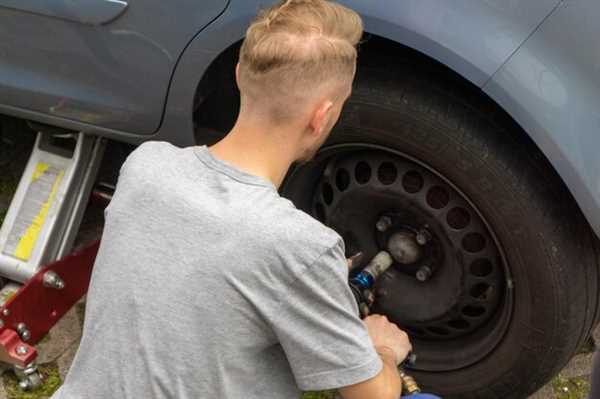
Check for tread discrepancies across the surface of each wheel. Look for specific patterns like increased wear on one side compared to the other, or notable bald spots indicating insufficient grip.
A scraping noise while turning can also signal issues with your vehicle’s setup. If you experience vibrations through the steering wheel, this may suggest underlying misalignment as well.
Inspecting for cupping or scalloping may reveal imbalances in forces acting on the wheels, potentially leading to challenges in handling and stability. Flatter areas amidst the protruding tread can signify this irregularity.
Pay attention to the lifespan of the tires. Significant disparities in longevity between front and rear tires can indicate misconfigured alignment settings that need correction.
Monitor the air pressure regularly; deviations from the manufacturer’s specifications can contribute to uneven degradation of the tread surface, exacerbating any existing issues.
Consult a specialist if these signs are detected. Professional assessments can provide targeted corrections to restore optimal contact with the road.
Understanding the Role of Wheel Alignment in Tire Longevity
Maintaining correct wheel positioning is critical for maximizing the lifespan of your vehicle’s rubber. Ensure your setup is within manufacturer specifications to prevent excessive degradation. Regular checks every 6,000 miles or with seasonal tire rotations can catch issues early.
Incorrect positioning can lead to accelerated degradation patterns, negatively impacting traction and fuel efficiency. Pay attention to steering responsiveness and unusual handling; these may signal misalignment. Addressing such issues promptly can significantly extend the life of your rubber components.
Utilizing laser technology during adjustments offers precise measurements, promoting even contact with the road. Performing this service at reputable automotive centers ensures your settings are accurate, which is vital for long-term durability. Routine checks of tire pressure also support optimal performance and wear rate.
Be cautious of road hazards and potholes, as these can disrupt your setup. Annual inspections help identify hidden problems that might go unnoticed during normal usage. Forward-thinking maintenance practices lead to maximum rubber longevity, ensuring a safer driving experience.
Steps to Correct Wheel Alignment and Prevent Tire Issues

Begin with a thorough inspection of your vehicle’s suspension system. Check for any loose or worn components, such as bushings and tie rods, which can impact tire performance.
Next, ensure that your tire pressure is at the manufacturer’s recommended levels. Incorrect pressure can lead to undue stress on the wheel setup.
Utilize a professional laser alignment system to check the angles of your wheels. This technology offers precise measurements to detect misalignment.
Adjust camber, caster, and toe angles as necessary. Each of these parameters plays a significant role in how your vehicle behaves on the road.
After adjustments, conduct a test drive. Monitor for any unusual handling characteristics and listen for abnormal noises, as these may indicate further issues.
Regularly rotate your tires according to your vehicle’s specifications. This practice helps maintain balanced wear across all four wheels.
Lastly, schedule periodic alignment checks, especially after hitting potholes or curbs. Consistent maintenance can prolong the life of your rubber and enhance safety.