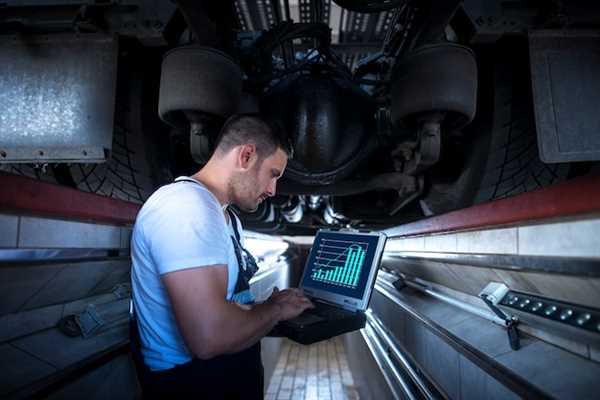
Monitor your vehicle’s performance closely; a decline in output or unusual sounds may indicate problems with emission systems. Regular diagnostics can reveal malfunctions before they escalate, helping to maintain optimal operation.
Evaluate the fuel quality regularly. Poor-grade fuel often leads to clogging and inefficiencies in the exhaust system. Utilizing high-quality fuel can significantly extend the lifespan of critical components and enhance their functionality.
Check sensor calibration frequently. Incorrectly calibrated devices can provide erroneous readings, resulting in unnecessary adjustments that strain the entire system. Regular calibration checks can prevent unnecessary wear and tear, ensuring all parts work harmoniously.
Inspect the integrity of seals and gaskets periodically. Deterioration in these areas can lead to leaks, which adversely affect system efficiency. Proactive replacement of these components safeguards against subsequent failures and reduces emissions-related issues.
Common Material Deficiencies Leading to Emissions Component Issues

Utilize high-quality alloys to prevent corrosion and fatigue, which are primary causes of deterioration in various parts. Low-grade metals often result in cracks and speed up wear due to environmental exposure.
Implement superior seals and gaskets to ensure leak prevention. Poorly manufactured sealing materials can degrade quickly, allowing harmful substances to escape and significantly impairing performance.
Choose thermal resistant plastics that can withstand extreme temperatures. Standard polymers may warp or degrade rapidly, risking contamination and system failures.
Conduct regular material analysis before production to ensure that all components meet necessary standards. This includes checking for impurities and inconsistencies that could jeopardize integrity.
Prioritize compatibility between different materials to avoid galvanic corrosion. Mismatched materials can lead to reaction problems and unexpected breakdowns.
Review surface treatments such as coatings that enhance durability against abrasive elements. Skipping this step can result in accelerated wear and a reduction in lifespan.
Employ rigorous quality control checks during manufacturing to catch defects early on. Uneven surface finishes or improper assemblies can contribute to future operational issues.
Invest in robust welding techniques that ensure strong joints. Weak welds may fail under stress, leading to critical leaks and system inefficiency.
Impact of Poor Installation Practices on Emissions Component Longevity
Ensure precise alignment during installation to prevent excessive strain on parts, which can lead to premature degradation. Misalignment may cause leaks, increasing the risk of failure and non-compliance with environmental standards.
Utilize OEM (Original Equipment Manufacturer) specifications strictly. Using incorrect fasteners or hose types can result in weak connections, leading to system malfunction. Always refer to manufacturer guidelines for torque settings and specifications.
Check for proper sealing techniques. Inadequate sealing can allow combustion gases to escape, contributing to system inefficiency and reducing component life. Employ high-quality gaskets and seals designed for the specific application.
Regularly inspect and maintain connections for corrosion, especially in humid or harsh environments. Corrosion can jeopardize integrity, leading to leaks and potential environmental issues.
Be aware of thermal cycling effects. Components subjected to high-temperature variations may experience cracks and thermal fatigue. Use materials rated for the specific temperature ranges of the system.
Implement quality control checks during installation. This process should include verification of component integrity, correct installation practices, and adherence to operational parameters. Document all installations to track any patterns in failures.
Educate technicians on common pitfalls and best practices. Training ensures that all personnel are aware of the critical aspects involved in maintaining emissions systems effectively.
Environmental Influences That Contribute to Emissions Failures
Consistent monitoring of temperature and humidity levels is necessary as extreme variations can affect the performance of exhaust systems. Maintaining optimal conditions reduces degradation and enhances component longevity.
Conduct regular inspections of chemical exposure. Harmful substances found in areas near industrial facilities can cause corrosion and weaken parts, leading to detrimental effects on the system’s ability to minimize pollutants.
Implement protective barriers against harsh weather conditions. Prolonged exposure to elements such as rain, snow, or extreme heat can compromise the integrity of emission control devices. Proper housing or coatings can mitigate these risks.
Ensure that drainage systems are unclogged to prevent water accumulation, which can lead to component rust and reduced operational capabilities. Regular maintenance checks should include assessments of drainage efficiency.
Evaluate the purity of fuel used. Contaminated fuel can damage injectors and catalytic converters, severely impacting their function. Utilizing filter systems can help maintain fuel quality and protect sensitive parts.
Promote the use of high-quality materials in the design and manufacturing of parts. Employing robust, corrosion-resistant materials extends the lifespan of critical systems and minimizes failures due to environmental factors.
Adopt a proactive approach to identifying potential risks in the vehicle’s operating environment. Understanding local conditions and potential contaminants can aid in the prevention of premature system breakdowns.