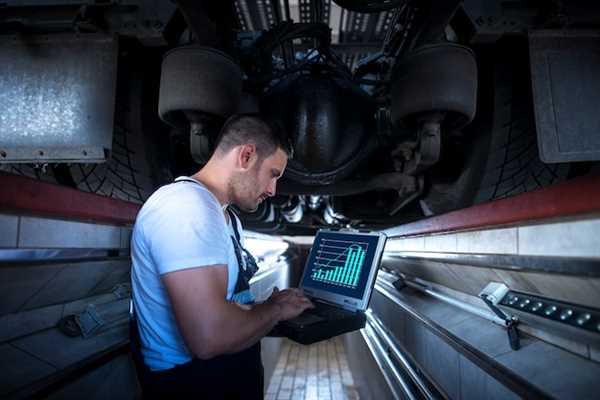
For optimal vehicle output, prioritize regular checks of gas flow pathways. Any hindrance in this area can cause noticeable declines in output and throttle response. Engage a specialist to assess the system for potential blockages or subpar components that may lead to compromised airflow.
Maintaining an unobstructed gas exit route is pivotal. A reduction in diameter or buildup along the pathway not only causes backpressure but can also elevate temperatures within the combustion chamber. Choosing a higher-grade, less restrictive system can enhance gas expulsion and improve both acceleration and fuel efficiency.
Monitor the type of material in use; certain alloys withstand heat and corrosion better, ensuring longevity and consistent enhancement of vehicular dynamics. Regular cleaning routines should not be overlooked, as they significantly contribute to maintaining sought-after specifications.
Investing in performance parts that adhere to your vehicle’s specifications can lead to remarkable improvements. Base decisions on empirical data rather than anecdotal recommendations to ensure compatibility and maximize benefits. Be proactive, and your vehicle’s agility and responsiveness will reflect these meticulous efforts.
Understanding the Technical Causes of Exhaust Restrictions
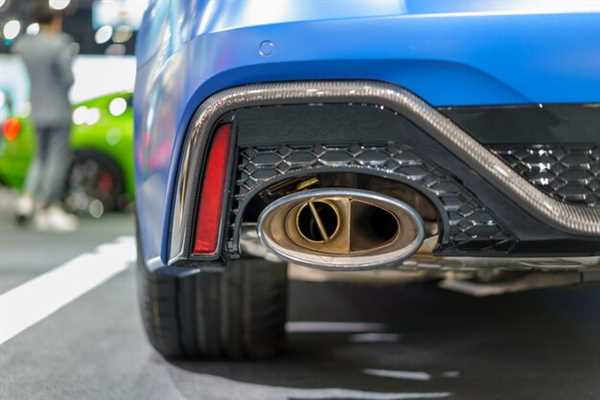
Inadequate airflow can severely hinder an automobile’s output. Identifying where airflow is impeded is essential for any technician. Common sources of reduced flow include clogs in the tubing, bends in the piping, and malfunctioning components like catalytic converters.
Clogs often result from carbon build-up, which may harden over time and create blockages. Regular inspections can help detect these blockages before they scale up, thereby maintaining optimal airflow. Maintaining cleanliness in the system is non-negotiable.
Bends in the piping design can create turbulence, leading to pressure drops. Ensuring smooth transitions in the exhaust system layout is critical. Consider using mandrel-bent tubing to minimize these disruptions.
A failed catalytic converter can restrict gas flow, often leading to a noticeable drop in vehicle output. Monitoring the condition of this component through diagnostics can prevent substantial problems and costs down the line.
Lastly, incorrect sizing of parts can lead to inefficiencies. Each segment should be appropriately matched to the overall system requirements to maintain maximum throughput. Upgrading to a high-flow muffler can also enhance the system’s capability, ensuring all gases exit smoothly.
Identifying Symptoms of Exhaust Restriction in Your Engine
Pay attention to unusual noises that indicate a blockage in the system. If you hear a hissing or popping sound, this may suggest gases are struggling to exit properly.
Monitor your vehicle’s acceleration. A noticeable lag when pressing the accelerator could hint at inadequate gas flow, stemming from an obstruction in the exhaust pathway.
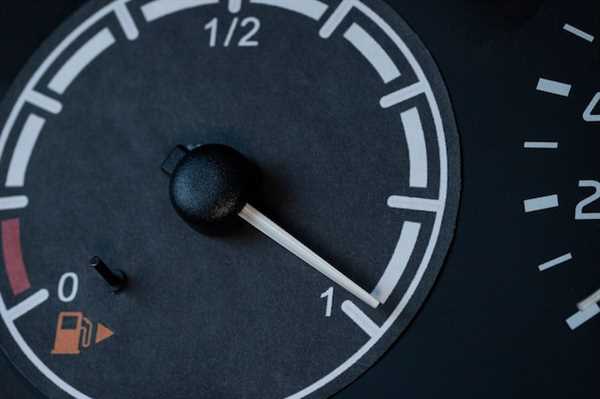
A decrease in fuel efficiency is another key sign. If you find yourself refueling more frequently than usual, this could be linked to pressure buildup from restricted gas evacuation.
Examine the exhaust tip for discoloration. A sooty or blackened appearance often points to incomplete combustion, resulting from an inability to expel exhaust gases effectively.
Check for engine warning lights. A malfunction indicator may activate due to sensor readings affected by excessive pressure in the system.
Assess engine temperature. Overheating can result from exhaust gases not being expelled properly, causing the motor to work harder than necessary.
Inspect for visible damage around the exhaust components. Cracks or dents can exacerbate any existing issues, reducing the overall flow of gases.
Lastly, conduct a thorough inspection of the catalytic converter or muffler. Clogged sections can significantly impede the flow, leading to a cascade of performance issues.
Steps to Diagnose and Resolve Exhaust Restriction Issues
Check for visible damage on the piping and junctions. Look for dents, cracks, or loose connections that may hinder gas flow.
Inspect the catalytic converter for blockages. A failing converter often restricts gas passage. If it feels hot to the touch after the vehicle has been running, it might be clogged.
Examine the muffler for signs of corrosion or internal failures. Loud noises or unusual vibrations may indicate a malfunction that obstructs gas exit.
Evaluate sensors such as the oxygen sensors. Faulty readings can lead to incorrect fuel mixtures, impacting combustion and leading to excessive backpressure.
Perform a pressure test on the exhaust system. Use a manometer to measure backpressure. Values exceeding manufacturer recommendations can point to issues.
Review exhaust flow using diagnostic equipment. Analyzing flow rates assists in identifying abnormalities in gas expulsion.
Clear any clogs found during the inspection. Use appropriate cleaning agents for carbon build-up or replace components if necessary.
Consult a professional if issues persist after these steps. Advanced equipment and expertise may be needed for a definitive diagnosis and remedy.