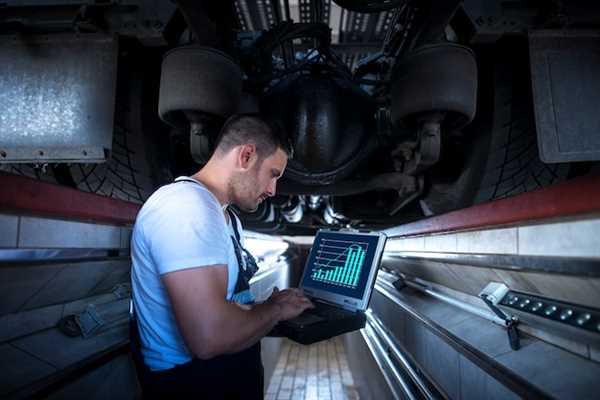
Regular maintenance is not just a suggestion; it’s a necessity for a well-functioning automobile. Skipping these scheduled checks can lead to a cascade of failures that not only affect performance but also safety and longevity of the vehicle. For instance, neglecting oil changes can result in engine wear due to accumulated contaminants, which can escalate repair costs beyond mere maintenance order.
Following a regular maintenance schedule can help identify small issues before they become significant problems. Many drivers miss out on simple tire rotations, which can lead to uneven wear and compromised handling. This oversight may require premature tire replacements at a much higher cost than maintaining a routine check.
Furthermore, ignoring fluid levels and their periodic replacements, such as coolant and brake fluid, can lead to severe complications. Over time, the degradation of these essential fluids can impair critical systems and lead to failures that can be both costly and dangerous. Keeping tabs on these minor aspects can save you from unexpected breakdowns and repair bills that could have been easily avoided.
Impact on Vehicle Performance and Safety
Regular maintenance is crucial for optimal operation. Skipped check-ups can lead to severe failures such as brake malfunction or reduced engine efficiency. For instance, ignoring oil changes can result in engine wear, decreasing power output and fuel efficiency.
Brake systems require constant attention; neglecting inspections may lead to brake fade or complete failure, posing a serious risk during sudden stops. Furthermore, worn tires, often overlooked, can significantly reduce traction, leading to longer stopping distances and increased likelihood of skidding.
Suspension components also suffer from lack of care. Faulty shocks or struts compromise handling and stability, increasing the probability of accidents during evasive maneuvers. Keeping a close watch on these elements is indispensable for a safe driving experience.
Fluid levels should never be ignored; low coolant or transmission fluid can cause overheating or shifting issues, respectively. Such problems not only affect performance but can lead to costly repairs if not addressed promptly.
Finally, electronic systems, including sensors and warnings, may fail when not regularly assessed. Skipped diagnostics can prevent timely repairs, which are critical for a reliable and safe operation of the automobile.
Financial Implications of Skipped Services

Regularly overlooked maintenance can lead to significant financial burdens. For instance, failing to replace engine oil can cause severe damage, resulting in repair costs averaging around $4,000 to $10,000 for a complete engine replacement.
Ignoring tire rotations and alignments may lead to uneven wear, causing premature tire replacements, which can range from $400 to $1,000 every few years, depending on the quality and brand.
Avoiding brake inspections may lead to more severe issues, with replacement costs for rotors and pads potentially reaching $500 to $1,500 later on. This is compared to a routine service that could have cost less than $100.
Unattended cooling systems can lead to overheating issues, with repairs running from $500 to $1,500 associated with head gasket replacements or radiator repairs.
Skipping battery checks often results in unexpected failures, costing typically $100 to $200 for replacements, along with the inconvenience of breakdowns. Scheduled inspections that could avert such issues usually cost significantly less.
In summary, what might seem like minor services can quickly spiral into significant expenses, emphasizing the importance of regular checks to mitigate future costs.
Long-Term Damage Caused by Minor Oversights

Regular maintenance significantly reduces the risk of costly failures. Overlooked fluid levels, such as oil or coolant, may lead to engine overheating or inadequate lubrication, which can result in severe damage over time. Schedule timely checks and replacements to prevent such outcomes.
Worn brake pads are often dismissed until performance becomes compromised. Delaying replacement can damage rotors, leading to extensive repairs down the line. Monitor brake function and replace pads promptly to ensure safety and avoid additional costs.
Neglected tire pressure and alignment can cause uneven wear, reducing tire lifespan and affecting fuel efficiency. Regular inspections and adjustments not only extend tire life but also enhance driving stability. Check tire condition frequently to maintain optimal performance.
Battery health often goes unnoticed until it fails. Corrosion and loose connections can hinder performance and lead to unexpected breakdowns. Regular cleaning and tightening of terminals can prolong battery life significantly.
Filters in the engine, cabin, and fuel system should be replaced per manufacturer recommendations. Clogged filters can impair performance, fuel efficiency, and air quality inside the cabin. Adhere to service schedules to ensure all filters are clean and effective.
Ignoring minor leaks in fluids can escalate into major repair issues. Identify and address any leaks early, ensuring seals and gaskets are inspected and replaced as necessary to prevent long-term damage to critical components.