Address impending heating complications by checking for leaks in hoses and connections regularly. A tiny rupture can lead to a significant loss of coolant, undermining temperature regulation and decreasing operational capability.
Examine the thermostat regularly; a malfunctioning valve can restrict fluid flow, causing overheating. Timely replacement ensures optimal heat transfer and reduces the risk of engine stress.
Inspect the radiator for debris accumulation, which can impede airflow and thermal exchange. A clean radiator surface allows for improved cooling effectiveness, ensuring smoother vehicle operation.
Monitor the coolant mixture–an improper blend can reduce boiling points or increase the risk of freezing. Maintaining the correct ratio is fundamental for preventing thermal imbalances.
Lastly, assess the water pump’s functionality. A failing pump can result in inefficient coolant circulation, leading to rising temperatures and potential engine damage. Regular inspections can save costly repairs in the long run.
Identifying Signs of Overheating in Engine Cooling Systems
Monitor the temperature gauge on the dashboard. A rising needle indicating high temperatures signals potential issues with thermal regulation.
Look for steam or vapor escaping from the hood. This is a clear indicator of excessive heat and potential coolant leaks.
Listen for unusual noises, such as hissing or bubbling. These sounds often signify coolant being forced out due to pressure buildup.
Check for a burning smell. A strong odor may indicate overheating components like hoses or gaskets breaking down.
Inspect the coolant level regularly. Low fluid can lead to insufficient heat dissipation, causing the machinery to overheat.
Watch for engine warning lights illuminating. These alerts often indicate problems related to heat management, necessitating immediate attention.
Examine the radiator for leaks or obstructions. Blockages can impede fluid circulation crucial for thermal management.
Assess the state of the coolant. Discolored or rusty fluid suggests contamination, impacting its cooling efficiency.
Perform a visual check of the fans. Non-functional cooling fans can lead to an inability to regulate heat at idle.
Consider the performance of the thermostat. A malfunctioning thermostat can restrict coolant flow, exacerbating temperature issues.
Common Causes of Coolant Leaks and Their Effects on Engine Functionality
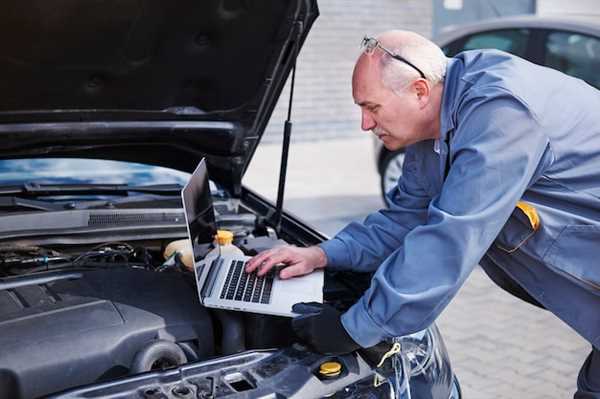
Regular inspections can prevent chemical fluid loss. Frequent sources include worn-out hoses, gaskets, and radiator seams. Additionally, a corroded water pump can lead to significant leakage.
Aging components typically lose their integrity, leading to cracks or disconnections. Replace any corroded or damaged parts immediately to maintain optimal thermal regulation.
During maintenance, inspect all connections for signs of wear. Tighten any loose fittings to enhance the fluid’s circulation and improve thermal efficiency.
Fluids can seep through small cracks around the head gasket. A compromised gasket not only causes leaks but can also result in severe overheating. Regular checks for white smoke from the exhaust–a symptom of gasket failure–are advisable.
Vigilance in observing engine temperature readings can alert drivers to minor or major issues. Noises or leaks during operation should prompt immediate investigation.
Establishing a routine inspection schedule will ensure components function correctly, safeguarding against potential leaks that could hinder fluid distribution. Proper maintenance is key to preserving the longevity and functionality of mechanical systems.
Maintenance Tips to Prevent Cooling System Failures and Enhance Performance
Regularly check coolant levels and top up as necessary using the recommended type of fluid. This helps to maintain proper temperature control and prevents overheating.
Inspect hoses and connections for cracks or leaks. Damaged components can lead to coolant loss and reduced efficacy in temperature management.
Flush the cooling mechanism as per the manufacturer’s schedule. This action removes accumulated contaminants that may hinder functionality.
Monitor the condition of the radiator. Ensure it is free from debris and damage to facilitate optimal heat exchange.
Test the thermostat periodically. A faulty thermostat can cause erratic temperature fluctuations and compromise temperature regulation.
Examine the water pump for wear or leakage. This component is crucial for circulating coolant, and any issues can adversely affect thermal management.
Start the engine and let it run for a few minutes. Observe the temperature gauge. Consistently high readings indicate a need for further inspection of the components involved.
Ensure the radiator cap is functioning properly. A faulty cap can cause loss of pressure, leading to boiling over and overheating.
Schedule professional inspections regularly. Trained technicians can identify potential issues before they escalate into serious failures.
Be mindful of coolant types and never mix different formulations, as this can lead to chemical reactions that might impair functionality.